Source Leather Wine Gift Box for Corporate, Retail, and Events
Compare 30 leather wine gift box options from verified manufacturers. Evaluate PU leather materials, waterproof features, and customization services like logo printing. Find suitable single-bottle packaging for diverse sourcing needs; compare the available evidence and request quotations based on your requirements.
Key considerations
Products List




Comprehensive Sourcing Guide
Leather Wine Gift Box Sourcing Guide
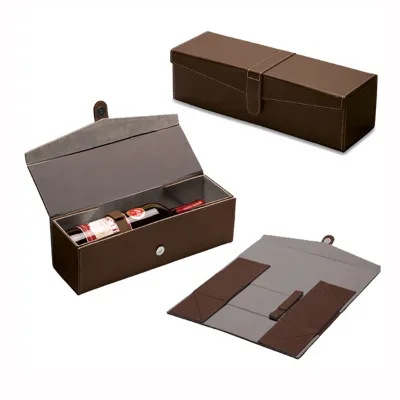
The leather wine gift box serves as a premium packaging solution designed to elevate the presentation of single-bottle wine shipments for corporate gifting and luxury retail. Based on observed market data, these units typically feature a PU leather exterior with a leather interior lining, offering a high-end aesthetic that appeals to unisex demographics. The product is available in distinct color variations, including black and brown, allowing buyers to align packaging with specific brand identities or event themes.
Procurement of these boxes requires careful attention to customization capabilities, as suppliers frequently offer logo printing and design services to meet unique client needs. The observed market indicates that manufacturers provide OEM and ODM services, enabling buyers to request specific structural designs or branding elements. While the core function remains protective storage, the emphasis on aesthetic customization makes these items a strategic choice for enhancing perceived product value during high-stakes commercial exchanges.
Product Scope and Observed Listing Signals
Buyers must distinguish between various model specifications when evaluating listings, as observed data reveals multiple distinct product codes such as 5456, 5716, and 1335R11. These models often differ in their physical dimensions and packing configurations, with some units measuring approximately 31 by 19.3 by 10.8 centimeters while others adhere to standards around 29 by 17.3 by 8.8 centimeters. Understanding these variances is critical for ensuring the packaging fits the specific bottle capacity and shipping constraints of the intended order.
Commercial signals in the market indicate a wide range of minimum order quantities, with observed values spanning from 500 to 3000 pieces depending on the specific supplier and customization level. Pricing structures also vary significantly, with observed ranges extending from 0.43 to 25 USD per unit, reflecting differences in material quality, leather type, and order volume. Buyers should verify the exact model number and associated MOQ before committing to a purchase to avoid unexpected cost escalations or fulfillment delays.
Technical Specifications to Verify
Verification of physical dimensions and weight is essential for logistics planning, as observed single gross weights can reach 2.65 kilograms per unit. The packaging type typically involves individual polybag protection followed by carton consolidation, with carton quantities varying between 12 and 32 pieces per container. These specifications directly impact shipping costs and storage requirements, necessitating precise confirmation of the single package size and total carton weight before finalizing freight arrangements.
Material composition and structural hardness are equally critical technical factors that define the product's durability and premium feel. The observed listings specify a PU leather exterior paired with a leather interior, offering a partial hardness that balances protection with a soft-touch aesthetic. Buyers should confirm the exact material grade and waterproof capabilities, as these attributes determine the box's suitability for various environmental conditions and its ability to maintain structural integrity during transit.
Compliance and Safety Documentation
Suppliers in this sector frequently cite adherence to international management and safety standards, with observed certifications including ISO9001, BSCI, Sedex, and Reach. These documents serve as evidence of a manufacturer's commitment to quality management systems and ethical labor practices, which are vital for maintaining brand reputation in regulated markets. Buyers should request current copies of these certificates to verify that the specific production facility meets the required compliance thresholds for their target regions.
Additional safety and quality standards such as CE and SGS are often referenced in product specifications, indicating that the materials and construction processes have undergone third-party evaluation. While some listings mention FSC or ISO45001, these should be treated as background information rather than guaranteed attributes unless explicitly confirmed in the supplier's documentation. Procurement teams must ensure that all cited standards are valid and applicable to the specific batch of goods being ordered to mitigate regulatory risks.
Cost Drivers and Commercial Terms
Payment terms and deposit structures are primary cost drivers that influence cash flow and financial risk for the buyer. Observed commercial practices include a 30% deposit with a 70% balance due before shipping, alongside accepted payment methods like T/T, L/C, and various digital platforms. Understanding these financial requirements is crucial for budgeting, as the timing of payments and the specific terms negotiated can significantly affect the overall cost of goods and the security of the transaction.
Freight and delivery terms further dictate the final landed cost, with options ranging from EXW to Door to Door delivery available in the market. Lead times are another significant variable, with sample production typically requiring 5 to 7 days and full production ranging from 25 to 35 days or up to 4-5 weeks depending on order complexity. Buyers must align their inventory planning with these production schedules and select the appropriate Incoterms to manage shipping responsibilities and associated costs effectively.
Supplier Qualification and Quality Control
Supplier qualification should prioritize manufacturers with a proven track record, such as those claiming 20 years of experience in both manufacturing and export operations. The presence of established certifications like BSCI and Sedex suggests a mature supply chain capable of meeting international compliance standards, but buyers must still conduct their own due diligence to verify these claims. Engaging with suppliers who offer free design services and welcome OEM/ODM requests can further indicate a flexible and customer-centric approach to production.
Quality control processes must be rigorously defined before production begins, particularly regarding sample approval and final inspection protocols. The observed sample lead time of 5 to 7 days allows for a critical review of the physical product, including material texture, logo printing quality, and structural stability. Buyers should insist on a pre-shipment inspection to ensure that the final bulk order matches the approved sample specifications, thereby minimizing the risk of receiving substandard goods that fail to meet the expected high-end quality standards.
Long-Term Procurement Checks
Sustaining a successful partnership requires regular audits of supplier performance against agreed-upon delivery timelines and quality benchmarks. The observed production lead times of 25 to 35 days must be consistently met to prevent supply chain disruptions, especially for time-sensitive marketing campaigns or holiday seasons. Establishing clear communication channels and performance metrics ensures that any deviations in schedule or quality are identified and addressed promptly before they impact the broader business operations.
Continuous evaluation of material sourcing and cost stability is necessary to maintain competitive pricing over the long term. As market conditions fluctuate, buyers should monitor changes in material costs, such as PU leather pricing, and renegotiate terms to reflect current economic realities. Regular reviews of the supplier's certification status and adherence to safety standards ensure that the partnership remains compliant with evolving regulatory requirements, securing the supply chain against future disruptions or compliance failures.
FAQs
What materials are used for leather wine gift boxes?
The boxes are crafted from high-end PU leather with a leather interior lining. This combination ensures a premium feel and durable protection for single-bottle packaging. The exterior offers a sophisticated look suitable for gifting, while the internal structure provides secure support for the wine bottle during handling and transport.
Can I customize the logo on these wine boxes?
Yes, logo printing is available for these products. The supplier accepts OEM and ODM customization requests, allowing you to add your brand identity. This service supports various design preferences, ensuring the final packaging aligns with your specific marketing needs and brand guidelines for a professional presentation.
What is the minimum order quantity for these boxes?
The minimum order quantity varies by product model, ranging from 500 to 3000 pieces. Specific models like 1335R11 have an MOQ of 500 PCS, while others require 3000. Buyers should check the specific model requirements to determine the exact volume needed for their initial procurement order.
How long does production take for custom orders?
Production lead time typically ranges from 25 to 35 days after deposit confirmation. Sample preparation takes 5 to 7 days. The total delivery time is generally within 35 days, depending on the shipping method selected, such as sea, air, or courier, to ensure timely arrival.
What certifications do these manufacturers hold?
Manufacturers hold several key certifications including ISO9001, BSCI, Sedex, and Reach. These standards verify quality management and ethical sourcing practices. Buyers can rely on these documented credentials to ensure compliance with international trade requirements and corporate social responsibility standards when sourcing packaging solutions from these verified suppliers.
Are these wine boxes waterproof and durable?
Yes, the boxes are designed to be waterproof and feature partial hardness for structural integrity. This construction protects the contents from moisture and physical damage. The durable PU leather exterior ensures longevity, making them suitable for various storage conditions and transport environments while maintaining their aesthetic appeal for gift presentation.